

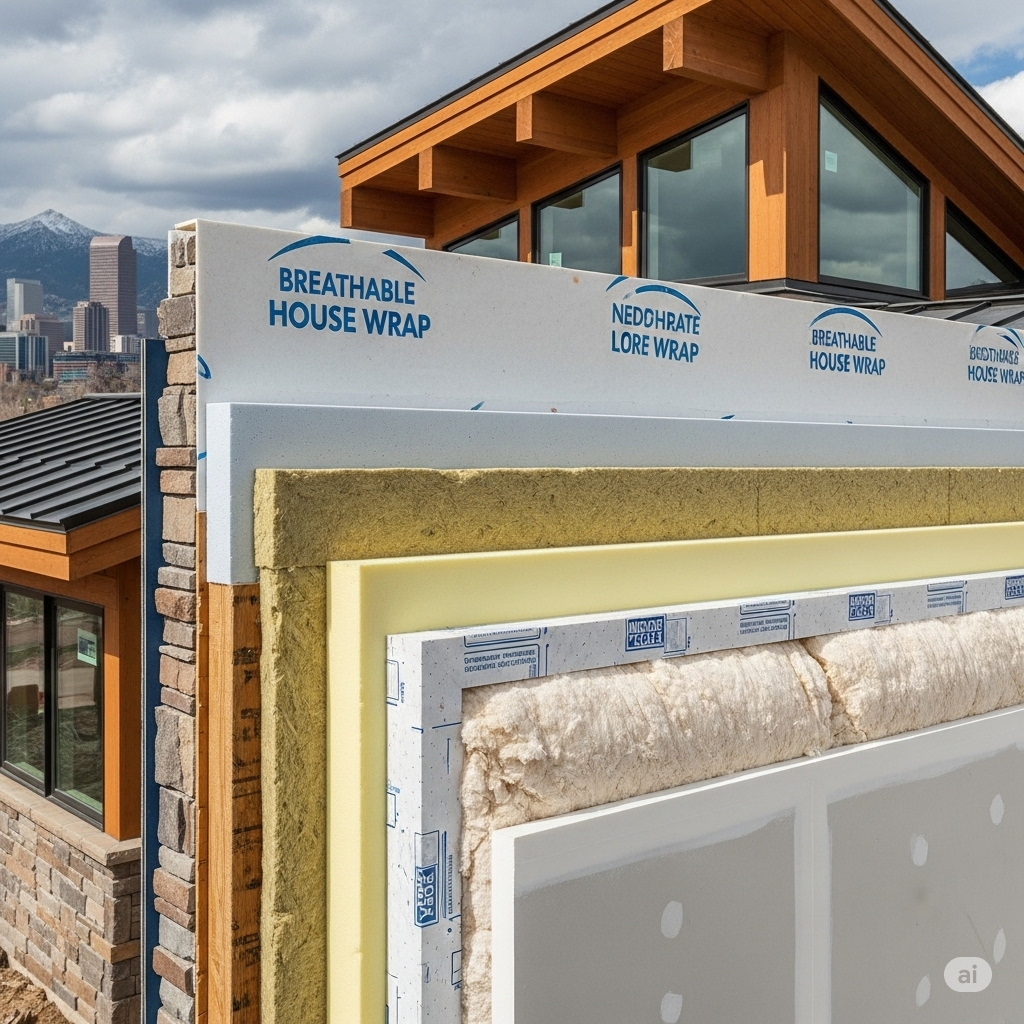
Living at high elevation brings unmatched views, clean air, and serene beauty—but it also introduces unique architectural challenges. When designing or building a luxury home in Denver or the surrounding mountain regions, one critical factor that often gets overlooked is insulation. The right insulation doesn’t just protect your home from temperature extremes—it ensures year-round comfort, energy efficiency, and long-term structural integrity.
Why Insulation Matters at High Elevations
At higher altitudes, the air is thinner, temperatures can drop dramatically overnight, and weather conditions fluctuate quickly. In winter, it’s not uncommon for homes to face subzero temperatures. In summer, the sun can be intense, leading to thermal imbalance if your home isn’t properly insulated.
Poor insulation at elevation doesn’t just make your home drafty—it affects everything from HVAC performance to indoor air quality and monthly energy bills. That’s why the selection of materials and the design of your insulation strategy must be tailored to the specific demands of mountain living.
Understanding the Climate Challenges
Before selecting insulation, it’s important to understand the unique environmental pressures that come with high-elevation living:
- Large temperature swings between day and night
- Dry air and low humidity levels
- Strong solar exposure that can warm surfaces quickly
- Wind and snow accumulation that can create cold spots in poorly insulated areas
Each of these conditions places a different kind of stress on your home’s thermal envelope. That’s why luxury homes in the Rockies or foothills require a more customized approach.
Best Types of Insulation for Mountain Homes
Closed-Cell Spray Foam
One of the most popular choices for luxury homes at elevation is closed-cell spray foam insulation. Unlike traditional batt insulation, closed-cell foam expands upon application and seals even the smallest gaps. It offers an exceptional R-value (a measure of thermal resistance) and serves as both an air barrier and moisture barrier—two critical functions in a high-elevation environment.
In areas prone to condensation, such as roofing systems or foundation walls, this material also adds structural strength. It’s ideal for custom home designs that include high ceilings, vaulted rooflines, and exposed beams.
Rigid Foam Board
Rigid foam board insulation is another top performer, particularly in basements, exteriors, and under-slab installations. These panels offer high thermal resistance and moisture protection, making them a good choice for preventing heat loss through foundations and external walls.
Rigid board is often layered beneath siding or beneath radiant floor systems for enhanced performance and thermal continuity.
Mineral Wool
If sound dampening is a concern—and for many luxury homeowners seeking peace and privacy, it is—mineral wool can be a smart choice. Made from volcanic rock, mineral wool provides excellent fire resistance and sound insulation, while still delivering solid thermal performance. It’s ideal for media rooms, home offices, or between floors in multilevel homes.
Hybrid Systems
Many high-elevation homes benefit from hybrid insulation systems—a combination of spray foam and traditional batt or blown-in insulation. Spray foam is used to seal gaps and create a tight envelope, while batt or cellulose insulation fills the cavities for cost-effective thermal resistance. This approach offers both performance and flexibility, particularly in large luxury builds.
Design Considerations That Maximize Insulation Performance
Insulation doesn’t exist in isolation. Its performance depends on how it’s integrated into the home’s design and structure. At Infineum Builders, we work closely with clients to ensure their insulation strategy aligns with every aspect of the home’s architecture.
Air Sealing
Insulation only works when air infiltration is controlled. We emphasize advanced air sealing techniques—including thermal breaks, proper caulking around penetrations, and continuous exterior sheathing—to ensure the building envelope is truly tight.
Window and Door Integration
High-quality insulation pairs best with energy-efficient windows and doors. At elevation, it’s essential to choose triple-pane windows with low-emissivity coatings and gas fills that reduce thermal transfer. All framing and installations must be air-sealed and insulated properly to prevent gaps where cold air can creep in.
Roof and Attic Design
The roof system plays a pivotal role in insulation at high altitude. Warm air rises—and without proper insulation, your roof becomes the primary source of heat loss. Cathedral ceilings, dormers, and skylights must be insulated with care. Radiant barriers and venting systems can also be used to reduce heat buildup during sunny days.
HVAC and Ventilation Sync
Proper insulation reduces strain on heating and cooling systems, but ventilation must be balanced to maintain indoor air quality. A well-insulated luxury home at elevation should include HRVs (heat recovery ventilators) or ERVs (energy recovery ventilators) to ensure fresh air is circulated without sacrificing thermal comfort.
The Long-Term Benefits of the Right Insulation
Choosing the correct insulation isn’t just about getting through a snowy winter—it’s about creating a home that performs beautifully through every season. Some of the long-term advantages include:
- Energy efficiency: Lower heating and cooling costs over time
- Interior comfort: No more hot and cold zones from room to room
- Moisture protection: Reduces risk of mold, rot, and water damage
- Sound control: A quieter, more peaceful living experience
- Sustainability: A tighter home envelope means reduced carbon footprint
In luxury design, performance is as important as appearance. And the insulation you choose now will impact the way your home lives, breathes, and lasts for decades to come.
Conclusion: Build for Beauty—Insulate for Longevity
At high elevations, luxury isn’t just about materials—it’s about comfort, protection, and performance that endures. The right insulation is foundational to that goal.
At Infineum Builders, we don’t just build homes—we craft environments where design and engineering work hand in hand. Our team brings deep expertise in mountain construction, guiding every client through custom insulation strategies that meet their lifestyle and performance goals.
If you’re planning to build or renovate a luxury home in Denver or the surrounding elevated regions, don’t overlook the importance of tailored insulation solutions. Contact Infineum Builders today to schedule a consultation, and let’s design a home that stands strong through every season.